Attract.
Realigned the estate. Six sub-brands were mapped against the audiences that actually book (families, couples, spa-goers) and paid campaigns were rebuilt around real search demand for each.
Case study · Leisure & hospitality

+21%
Revenue increase year-on-year through online bookings, across the business
38%
Conversion lift through continuous testing and data-led decisions
+42%
Increase in spa bookings online, through the digital overhaul
37.4x
Return on digital ad spend, up from 1.8x in a single year
Ribby Hall Village is one destination with six sub-brands: self-catering breaks, a spa hotel, restaurants, leisure and more. Each had its own audience, its own messaging and its own digital presence, and the whole was earning less than the sum of its parts.
Digital ads were returning just 1.8x. Booking journeys leaked. The brief: one strategy that let every sub-brand play its role, and paid for itself in bookings, not impressions.
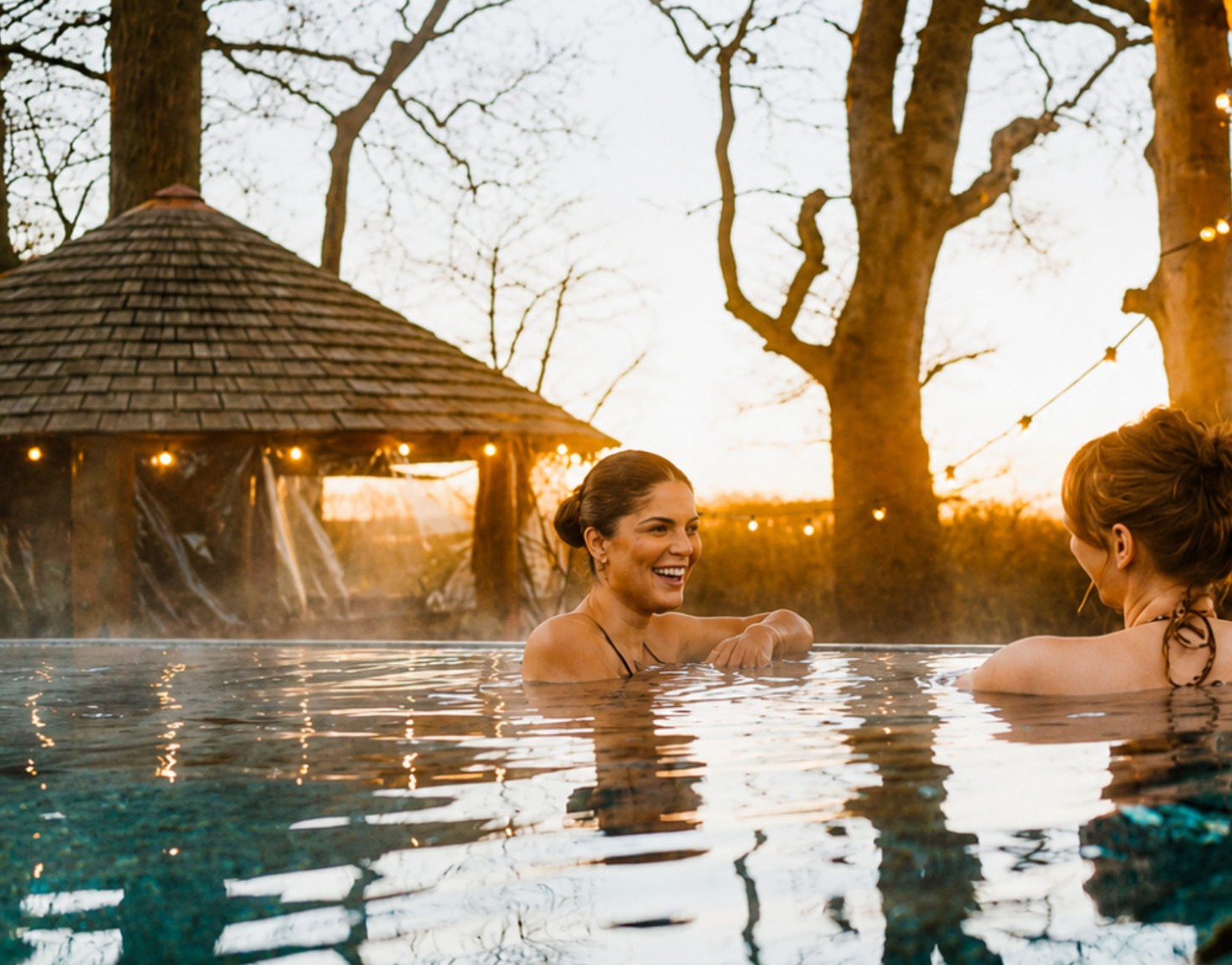
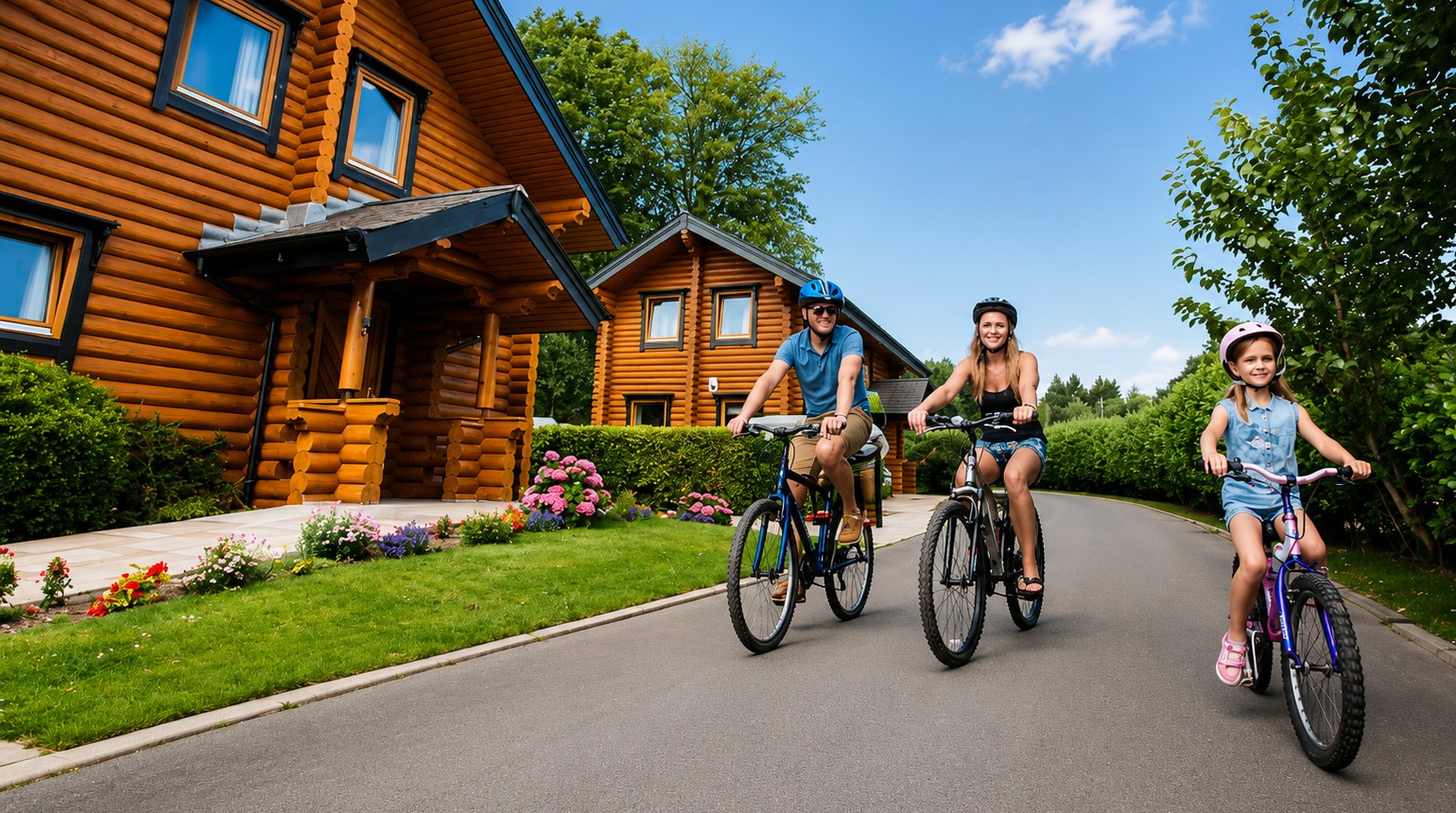
Imagery: Ribby Hall Village.
The approach
Realigned the estate. Six sub-brands were mapped against the audiences that actually book (families, couples, spa-goers) and paid campaigns were rebuilt around real search demand for each.
One story, six doors. Content and creative were retuned so every sub-brand told the same Ribby Hall story to its own audience, instead of six brands competing for the same attention.
Overhauled the journeys. The digital overhaul reworked booking flows with continuous testing: a 38% conversion lift across the business, and one single lead-generation tactic that produced £100,000s in revenue within six months.
Followed the data. Weekly, data-led decisions moved budget to what worked. Return on ad spend climbed from 1.8x to 37.4x (a 1,979% year-on-year increase) with revenue up 21% year-on-year.
Whether it’s a revival, a relaunch or growth from a standing start, it begins with one honest conversation.